Kann mein Kind trotz Hörverlust in eine normale Schule?
Schwerhörigkeit im Kindesalter ist für viele Eltern erst einmal ein Schock. Was tun? Wie helfen? Wie funktioniert der Alltag? Diese Fragen umfassen auch das Thema Schule mit Hörverlust. Ein hilfreicher Überblick.

Der Kindergarten
Ob ein Kind mit Hörverlust in den Regelkindergarten oder in eine Einrichtung mit speziellen Fördermöglichkeiten gehen sollte, hängt von jedem Fall individuell ab und sollte von den Eltern in Absprache mit den betreuenden Fachkräften wie Frühförder:innen gut überlegt werden.
Einige Punkte, die bei der Entscheidungsfindung helfen sollen:
- Wie sieht die Hör- und Sprachentwicklung bisher aus?
- Welche Kindergärten gibt es in unserer Nähe?
- Welche Angebote gibt es im Kindergarten? Braucht es mehr Förderung?
- Wie groß ist die Kindergartengruppe?
- Nach welchen pädagogischen Konzepten wird im Kindergarten gearbeitet?
- Wie hoch sind die Kosten?
In jedem Fall sollte bei der Anmeldung im Kindergarten offen mit der Hörbeeinträchtigung des Kindes umgegangen werden, damit die entsprechenden Vorbereitungen und Förderungen zeitgerecht organisiert werden können.
Die Schule
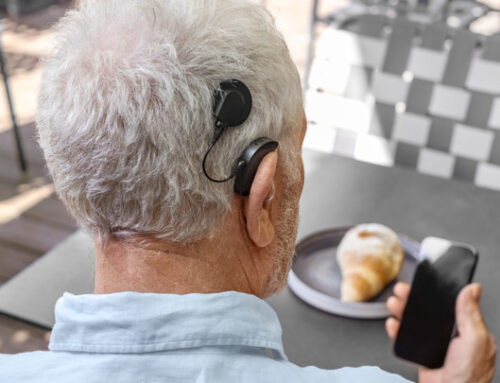
Um den Schulalltag mit Hörverlust bestmöglich zu meistern, bedarf es guter Kommunikation und Zusammenarbeit der Eltern und Pädagog:innen. Denn auch wenn man einem Kind auf den ersten Blick seine Hörbeeinträchtigung nicht ansieht (wenn z.B. der Audioprozessor des CIs unter den Haaren verdeckt ist), ist es dennoch ratsam, auf gewisse Dinge während des Unterrichts zu achten.
Ein persönliches Gespräch im Vorfeld bringt der Lehrkraft die Technologie näher und etwaige Fragen können bereits im Voraus geklärt werden.
Für hörbeeinträchtigte Kinder gibt es mehrere Möglichkeiten, die Schule zu besuchen:
Zum einen ist eine Einzelintegration in einer Regelschulklasse möglich. Das Kind besucht also eine reguläre Klasse und erhält nach Bedarf zusätzliche Unterstützung in Form von Betreuungslehrer:innen oder Einzelunterricht. Hierbei ist die Rolle der Eltern besonders wichtig, da diese die Entwicklung der Kinder am besten kennen und einschätzen können.
Zum anderen gibt es Inklusionsklassen für Kinder mit unterschiedlichem sonderpädagogischen Förderbedarf. Diese umfassen weniger Schüler:innen und werden von mehreren Lehrpersonen betreut, wobei eine der Lehrkräfte über eine allgemeine sonderpädagogische Ausbildung verfügt. Kinder mit unterschiedlichem Förderbedarf sind hier in einer Klasse mit Kindern ohne Beeinträchtigungen.
Alternativ dazu ist eine Inklusionsklasse mit Schwerpunkt auf Hörbeeinträchtigungen. Diese Schulform kann auch als Vorbereitung für Kinder herangezogen werden, die in späterer Folge eine Einzelintegration anstreben.
Tipps für den Unterricht mit Hörverlust:
- Vorhänge und Gardinen absorbieren den Schall.
- Sitzplatz vorne für besseren Blickkontakt
- Die richtige Fußbodenbeschaffenheit, um Nebengeräusche zu vermeiden
- Drehstuhl erleichtert die Orientierung zur Geräuschquelle
- Gummiaufsätze an den Stuhlbeinen und Teppiche reduzieren Störgeräusche
- Ruhige Sitznachbar:innen sind von Vorteil.
- Einsatz eines FM-Systems – ein Miniatursender übermittelt die Stimme der Lehrperson direkt an den Audioprozessor des Kindes.
- Klassenmikrofone und -lautsprecher erleichtern die Verständlichkeit.
- Smartboards/Whiteboards, z.B.: zur Veranschaulichung des Unterrichtsstoffes
- Schriftsprachdolmetscher:innen oder Mitschüler:innen als Mentor:innen können beim Mitschreiben helfen.



Sie lesen gerade: