
Bei Ertaubung nach Meningitis ist rasche Cochlea-Implantation wichtig!
Meningitis ist eine gefährliche Erkrankung, zu deren möglichen Komplikationen eine Ertaubung gehört. Zeitnahe Cochlea-Implantation kann dann das Hörvermögen zurückgeben.
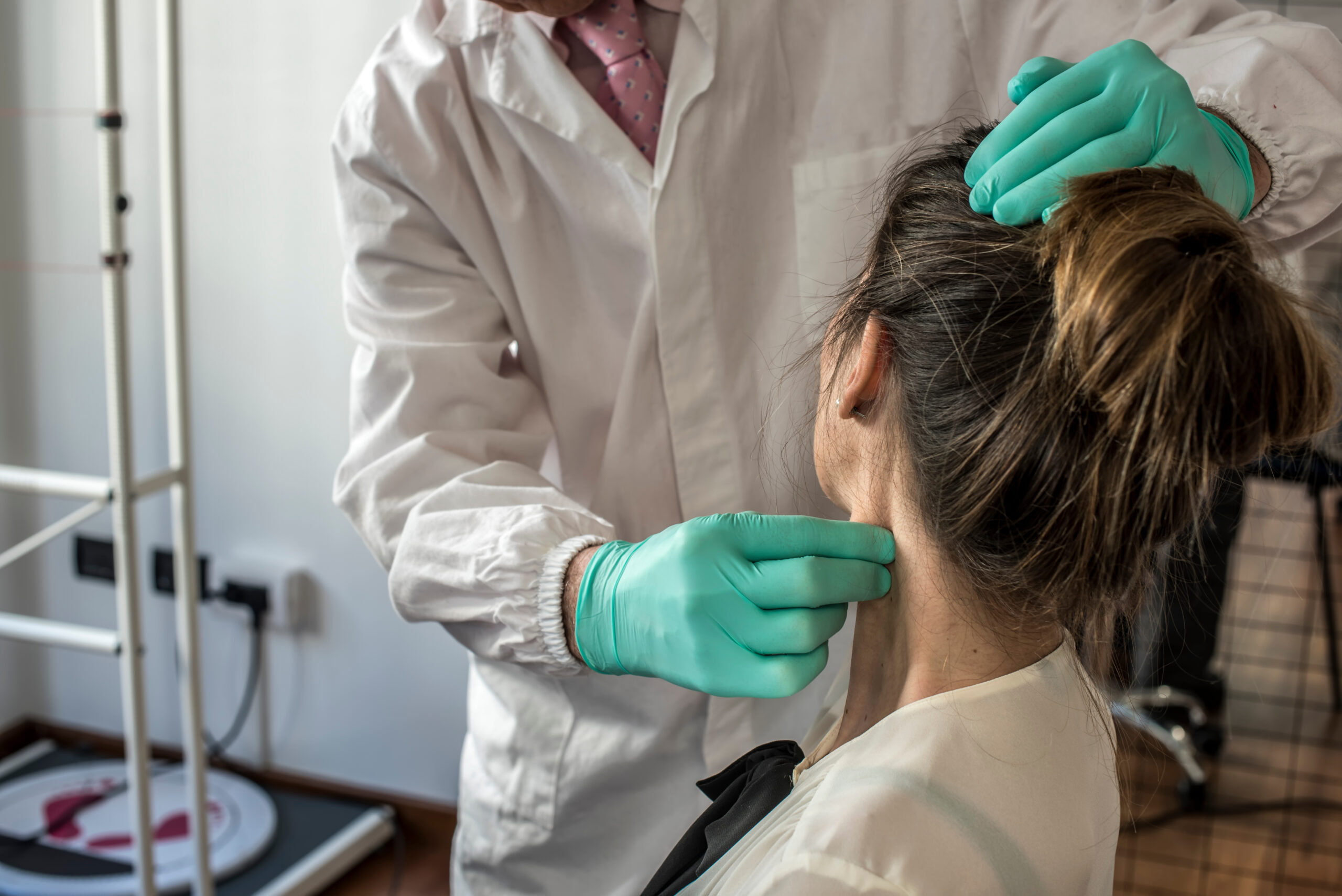
Meningitis bezeichnet die Entzündung jener Bindehaut, die das Zentrale Nervensystem im Gehirn – „Hirnhaut“ – und im Rückenmark – „Rückenmarkshäute“- umgibt. Je nach Ursache und allgemeinem Gesundheitszustand des oder der Betroffenen kann Meningitis lebensbedrohlich werden. Deswegen sollten Sie bei Verdacht auf Meningitis unverzüglich ärztliche Hilfe in Anspruch nehmen!
Doch auch bei einer sonst erfolgreichen Behandlung können bleibende neurologische Schäden auftreten. Dazu gehören auch Hörschäden bis hin zur Ertaubung.
Helfen Cochlea-Implantate nach einer Hirnhautentzündung?
Andere neurologische Folgeschäden einer Meningitis können nicht oder kaum rehabilitiert werden. Ein ertaubtes Ohr kann dank eines Cochlea-Implantats, kurz: CI, aber das Hörvermögen zurückgewinnen.
In Folge einer
Meningitis kommt es aber auch häufig zur Verknöcherung der Hörschnecke: Der Hohlraum der Hörschnecke, in der sich sonst nur Endolymphe – eine Flüssigkeit – befindet, füllt sich mit einer Masse, welche die Konsistenz von Knochengewebe erlangt. Bei einer Cochlea-Implantation müsste aber die Elektrode, die dann den Hörnerv stimulieren soll, gerade in diesen Hohlraum in der Hörschnecke eingeführt werden. Wenn er verknöchert ist, geht das nicht mehr.
Wenn Sie oder ihr Kind in Folge einer Hirnhautentscheidung ertaubt sind, sollten Sie sich deswegen bezüglich einer Implantation rasch entscheiden! So können Sie einer drohenden Verknöcherung zuvorzukommen. Bei zeitnaher Versorgung mit einem Cochlea-Implantat nach einer Meningitis gibt es sehr positive Erfahrungen: Betroffene berichten über ausgezeichnete Erfolge beim Hören und Sprachverstehen mit dem CI.
Kann eine Cochlea-Implantation Meningitis auslösen?
Jede offene Wunde einer Operation oder Verletzung erleichtert Bakterien kurzfristig den Zugang in den Körper. Dazu gehören auch jene Bakterien, die zu den potentiellen Auslösern einer Meningitis gehören.
Im Zusammenhang mit Cochlea-Implantationen wurden in der Vergangenheit fallweise Pneumokokken als Auslöser für Meningitis genannt.[1] Eine einfache Impfung kann dieses Risiko aber beseitigen. Auch atraumatische CI-Elektroden, wie sie beim österreichischen CI-Hersteller MED-EL verwendet werden, könnten ein potenzielles Risiko zusätzlich reduzieren.
Wenn Sie eine Cochlea-Implantation überlegen, können Sie sich also gut geschützt und ohne diese Sorge auf das neue Hören mit CI freuen!
[1] Wissenschaftliche Begründung für die Änderung der Empfehlung zur Indikationsimpfung gegen Pneumokokken, Robert Koch-Institut, Epidemiologisches Bulletin Nr. 36 S. 351ff, 8. September 2014


Sie lesen gerade: