
Meningitis kann auch Hörverlust bedeuten!
Meningitis ist eine gefährliche Erkrankung, zu deren Folgen auch Hörverlust oder Ertaubung zählen können. Ursachen, Symptome, Vorbeugung – und warum rasches Handeln wichtig ist.

Meningitis bezeichnet die Entzündung der Hirnhaut und der Rückenmarkshäute. Die möglichen Ursachen sind vielfältig: Bakterien, Viren, Pilze oder Komplikation bei einigen Erkrankungen.
Meningitis kann einen bedrohlich-raschen Akutverlauf haben, bis hin zu lebensbedrohendem Verlauf oder auch schwere neurologische Folgeerkrankungen nach sich ziehen.
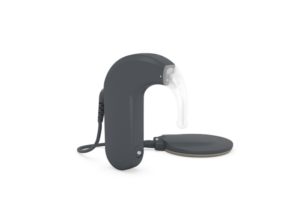
Während andere neurologische Folgeschäden nicht oder kaum rehabilitiert werden können, können Cochlea-Implantate dem ertaubten Ohr das Hörvermögen zurückgeben. Auch dafür ist nach einer Meningitis aber Eile geboten.
Meningitis kann viele Ursachen haben
Zu den Auslösern von Meningitis gehören Bakterien, Viren, Pilze und Parasiten. Besonders gefährlich und lebensbedrohend ist bakterielle Meningitis. Impfungen können gegen die wichtigsten Erreger zuverlässig schützen:
- Meningokokken: im kostenfreien Impfprogramm für Schulkinder enthalten
- Pneumokokken: im kostenfreien Kinder-Impfprogramm enthalten, vor CI-Operation empfohlen
- Haemophilus influenzae Typ b, kurz: HiB: Teil der kostenfreien 6-fach Impfung für Kleinkinder
- Varizellen-Impfung (Feuchtblattern/Windpocken): empfohlen, aber kostenpflichtig.
- Mumps: für Kinder Teil der kostenfreien MMR-Impfung
- FSM: regelmäßige Impfung empfohlen
Meningitis erkennen
Bei Erwachsenen oder Schulkindern erinnern einige der typischen Symptome einer Meningitis mitunter an eine heftige Grippe: Nackensteifheit, hohes Fieber, Verwirrtheit, Kopfschmerzen, Übelkeit und Erbrechen.
Besonders gefährlich ist Gehirnhautentzündung für Kleinkinder und Säuglinge. Bei ihnen sind die genannten Anzeichen oft nicht gut beobachtbar. Sie zeigen stattdessen: Trinkunlust, Apathie, vermehrtes Schlafen, schrilles Schreien, Krampfanfälle oder vorgewölbte Fontanelle.
Bei Verdacht auf Meningitis ist immer unverzügliche medizinische Hilfe wichtig!
Auch nach einer Meningitis: Hörverlust als Folge!
Auch bei erfolgreicher Behandlung können im Zuge einer Meningitis schwere Komplikationen nicht ausgeschlossen werden: neurologische Schäden, auch Hörverlust bis hin zur Ertaubung. Mit den meisten dieser neurologischen Schäden müssen Betroffene ohne adäquate Abhilfe leben.
Kostet eine Meningitis das Hörvermögen, kann ein Cochlea-Implantat dieses wiederherstellen. Da aber nach einer Meningitis-Erkrankung die Verknöcherung des Innenohrs droht, ist eine rasche Entscheidung und Durchführung wichtig für eine erfolgreiche Wiederherstellung des Hörvermögens.


Sie lesen gerade: